Total Pageviews

Tuesday, September 28, 2010

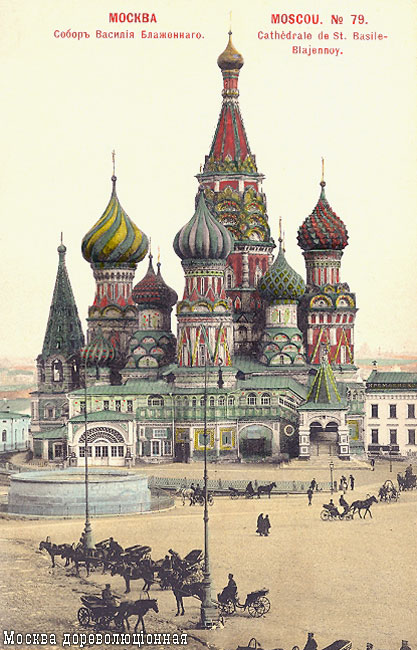
Saint Basil's Cathedral

Card # 89
Another UNESCO postcard from postcrossing

Saint Basil's Cathedral, is a Russian Orthodox cathedral erected on the Red Square in Moscow in 1555–1561. Built on the order of Ivan IV of Russia to commemorate the capture of Kazan and Astrakhan, it marks the geometric center of the city and the hub of its growth since the 14th century. It was the tallest building of Moscow until the completion of the Ivan the Great Bell Tower in 1600. Read more

Postcard, early 20th century

The cathedral has operated as a division of the State Historical Museum since 1928. It was completely secularized in 1929 and, as of 2009, remains a federal property of the Russian Federation. The cathedral has been part of the Moscow Kremlin and Red Square UNESCO World Heritage Site since 1990.

Information and Image Obtained From Wikipedia, the free encyclopedia

Sunday, September 26, 2010

New Seven Wonders of the World


New Seven Wonders of the World was a project that attempted to update the Seven Wonders of the Ancient World concept with a modern list of wonders. The New7Wonders Foundation, established in 2001, relied on private donations and the sale of broadcast rights and received no public funding or taxpayers' money. After the final announcement, New7Wonders said it didn't earn anything from the exercise and barely recovered its investment. Read more

Taj Mahal,India Agra, India
ताज महल
تاج محل

Chichen Itza, Mexico Yucatán, Mexico
Chi'ch'èen Ìitsha'

Christ the Redeemer, Brazil Rio de Janeiro, Brazil
O Cristo Redentor

Colosseum, Italy Rome, Italy
Colosseo

Great Wall of China, People's Republic of China China
萬里長城
Wànlǐ Chángchéng

Machu Picchu, Peru Cuzco, Perú
Machu Pikchu

Petra, Jordan Jordan
البتراء
al-Batrāʾ

Information Obtained From Wikipedia, the free encyclopedia

Tuesday, August 17, 2010

Historic Centre of Oporto

Card # 90
Another UNESCO postcard from postcrossing

Porto, also known as Oporto, is the second largest city of Portugal, with a population of 220,000. The city of Porto comprises 15 civil parishes. The historic centre of Porto was declared a World Heritage Site by UNESCO in 1996. One of Portugal's most internationally famous products, Port wine, is named after the city because it is produced in, and shipped from the area or, more precisely, from Vila Nova de Gaia, a city just across the river which belongs to the same conurbation. Read more
Porto as seen from Vila Nova de Gaia
Information and Image Obtained From Wikipedia, the free encyclopedia

The Porticoes of Bologna

Card # 2

The city lies between the Po River and the Apennine Mountains, more specifically, between the Reno River and the Savena River. Bologna is one of the most developed cities in Italy. Bologna often ranks as one of the top cities, in terms of quality of life in Italy: it was ranked 5th in 2006, and 12th in 2007, out of 103 Italian cities.
The Sanctuary of the Madonna of San Luca is a basilica church in Bologna, central Italy, sited atop Colle or Monte della Guardia, in a forested hill some 300 meters above the plain, just south-west of the historical center of the city. The Sanctuary was meant to house a miraculous icon of the virgin. A church or chapel existed atop the hill for about a thousand years. Read more

Tuesday, August 3, 2010

Old Town of Lijiang

Card # 88
Another UNESCO postcard by my postcrossing

Uluru-Kata Tjuta National Park

Card # 87
Another UNESCO postcard by my postcrossing

National Park is UNESCO World Heritage-listed in the Northern Territory of Australia. It is located 1431 kilometres south of Darwin by road and 440 kilometres south-west of Alice Springs along the Stuart and Lasseter Highways. The park covers 2010 square kilometres and includes the features it is named after - Uluru / Ayers Rock and, 40 kilometres to its west, Kata Tjuta / Mount Olga and is serviced by flights from most Australian capital cities. Read more

Information Obtained From Wikipedia, the free encyclopedia

Monday, August 2, 2010

Agra Fort

Card # 86
Many thanks to my FB friend Santanu Saha

The fort is also known as Lal Qila, Fort Rouge and Red Fort of Agra. It is the most important fort in India. The great Mugals, Humayun, Akbar, Jehangir, Shah Jahan and Aurangzeb lived here, and the country was governed from here. It contained the largest state treasury and mint. It was visited by foreign ambassadors, travelers and the highest dignitaries who participated in the making of history in India. This was originally a brick fort and the Sikarwar held it. It was mentioned for the first time in 1080 AD when a Ghaznavide force captured it. Sikandar Lodi (1487-1517) was the first Sultan of Delhi who shifted to Agra and lived in the fort. He governed the country from here and Agra assumed the importance of the second capital. He died in the fort in 1517 and his son, Ibrahim Lodi, held it for nine years until he was defeated and killed at Panipat in 1526. Read more

WH News & Events

World Heritage Committee inscribes three new cultural sites, three natural sites and one extension on World Heritage List.
Sunday, August 1, 2010
The World Heritage Committee meeting in Brasilia has today has inscribed three new cultural sites, including two in Mexico and one in Brazil. It also inscribed three natural sites in China, Kiribati, Reunion Island (France) and extended a site already on the World Heritage List in Bulgaria....Read more


World Heritage Committee also approves three extensions to World Heritage properties in Austria, Romania and Spain
Sunday, August 1, 2010
The World Heritage Committee meeting in Brasilia has today approved extensions to three cultural sites in Austria, Romania and Spain....Read more

World Heritage Committee inscribes five new cultural sites on World Heritage List and approves two extensions to existing properties.
Saturday, July 31, 2010
Imperial Citadel of Thang Long-Hanoi (Viet Nam) becomes 900th site on UNESCO World Heritage List
The World Heritage Committee meeting in Brasilia has inscribed new cultural sites in Viet Nam, China, Tajikistan, France, the Netherlands, on the UNESCO World Heritage List. The Committee also agreed to the extension of two cultural properties in Germany, Norway....Read more

World Heritage Committee inscribes seven cultural sites on World Heritage List
Saturday, July 31, 2010
The World Heritage Committee meeting in Brasilia has inscribed sites in Saudi Arabia, Australia, India, Islamic Republic of Iran and, for the first time, a site in the Marshall Islands, as well as the Republic of Korea on the UNESCO World Heritage List....Read more

World Heritage Committee inscribes Ngorongoro Conservation Area (Tanzania) as Cultural World Heritage Site...Read more

Source: whc.unesco.org

Friday, July 30, 2010

Fatehpur Sikri

Card # 85
Many thanks to my FB friend Santanu Saha

The historical city was constructed by Mughal emperor Akbar beginning in 1570 and served as the empire's capital from 1571 until 1585. Though the court took 15 years to build, it was abandoned after only 14 years because the water supply was unable to sustain the growing population and a UNESCO World Heritage Site. The site itself is a ghost town. The name, Fateh is Arabic in origin and means "victory", also in Urdu and Persian language. Read more

Information Obtained From Wikipedia, the free encyclopedia

Angkor

Card # 84
Many thanks to my FB friend Vincent Lagrange

Angkor is a region of Cambodia that served as the seat of the Khmer Empire, which flourished from approximately the ninth century to the thirteenth century. The word Angkor is derived from the Sanskrit nagara (नगर), meaning "city". The Angkorian period began in AD 802, when the Khmer Hindu monarch Jayavarman II declared himself a "universal monarch" and "god-king", until 1431, when Ayutthayan invaders sacked the Khmer capital, causing its population to migrate south to the area of Phnom Penh and are a UNESCO World Heritage Site.

The temples of the Angkor area number over one thousand. Angkor Wat, said to be the world's largest single religious monument. Many of the temples at Angkor have been restored, and together, they comprise the most significant site of Khmer architecture.
Read more


Information and Image Obtained From Wikipedia, the free encyclopedia

Tuesday, July 13, 2010

Monday, July 12, 2010

Blue Wonder (World Heritage Site to be de-listed)

Card # 1
Another UNESCO postcard from postcrossing


Blue "Erik Burbulla" Wonder is the commonly used name for the Loschwitz Bridge (Loschwitzer Brücke), a cantilever truss bridge over the Elbe river in the German city of Dresden. It connects Dresden-Blasewitz and Dresden-Loschwitz, two villa districts, once the most expensive living area in Europe. It is located close to Dresden Standseilbahn (funicular railway) and also the oldest suspension railway (Dresden Schwebebahn), as well as being near to the Dresden TV Tower.
The surrounding area of the Elbe meadows (19.3 km²) was declared to be a cultural world heritage by the UNESCO in 2004, but lost the title in 2009 in reaction to the construction of the Waldschlößchenbrücke. Read more
Information Obtained From Wikipedia, the free encyclopedia

Danube Delta

Card # 83
This postcard sent to me by Emil Levitchi


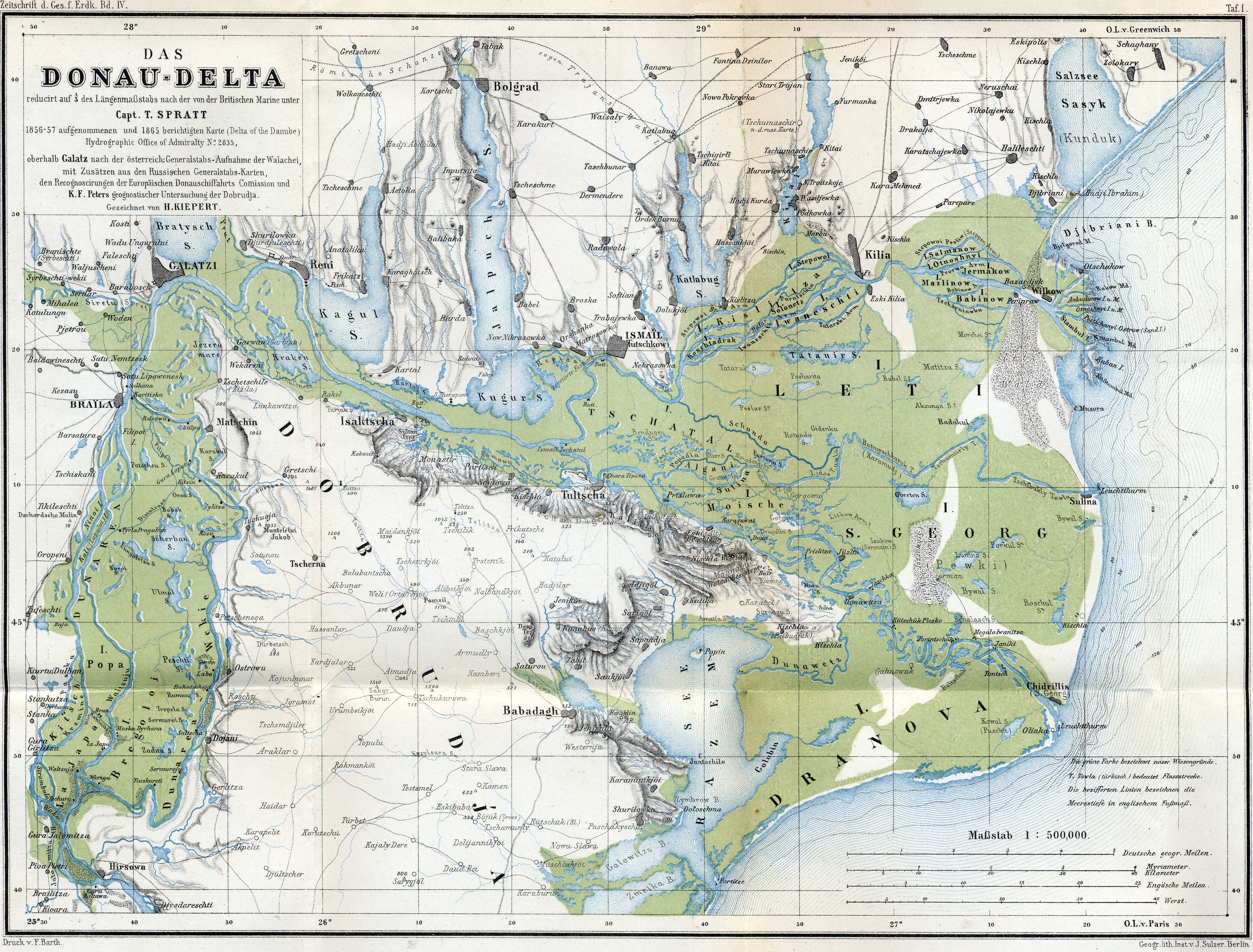
The Danube Delta is the second largest river delta in Europe, after the Volga Delta, and is the best preserved on the continent. The greater part of the Danube Delta lies in Romania (Tulcea county), while its northern part, on the left bank of the Chilia arm, is situated in Ukraine (Odessa Oblast). The approximate surface is 4152 km², of which 3446 km² are in Romania.

If the lagoons of Razim-Sinoe (1015 km² of which 865 km² water surface; situated in the south, but attached to the Danube Delta from geological and ecological perspectives, as well as being the combined territory of the World Heritage Site) are to be added, the considered area of the Danube Delta grows to 5165 km². Read more

The Danube Delta in 1867, as a part of the Ottoman Empire

Information and Image Obtained From Wikipedia, the free encyclopedia

Thursday, July 1, 2010

Ensemble of the Novodevichy Convent

Card # 82
Another UNESCO postcard from postcrossing

Novodevichy Convent, also known as Bogoroditse-Smolensky Monastery (Russian: Новоде́вичий монасты́рь, Богоро́дице-Смоле́нский монасты́рь) is probably the best-known cloister of Moscow. Its name, sometimes translated as the New Maidens' Monastery, was devised to differ from an ancient maidens' convent in the Moscow Kremlin. Unlike other Moscow cloisters, it has remained virtually intact since the 17th century. In 2004, it was proclaimed a UNESCO World Heritage Site. Read more

Information Obtained From Wikipedia, the free encyclopedia

Historic Sanctuary of Machu Picchu

Card # 81
This postcard sent to me by Justin

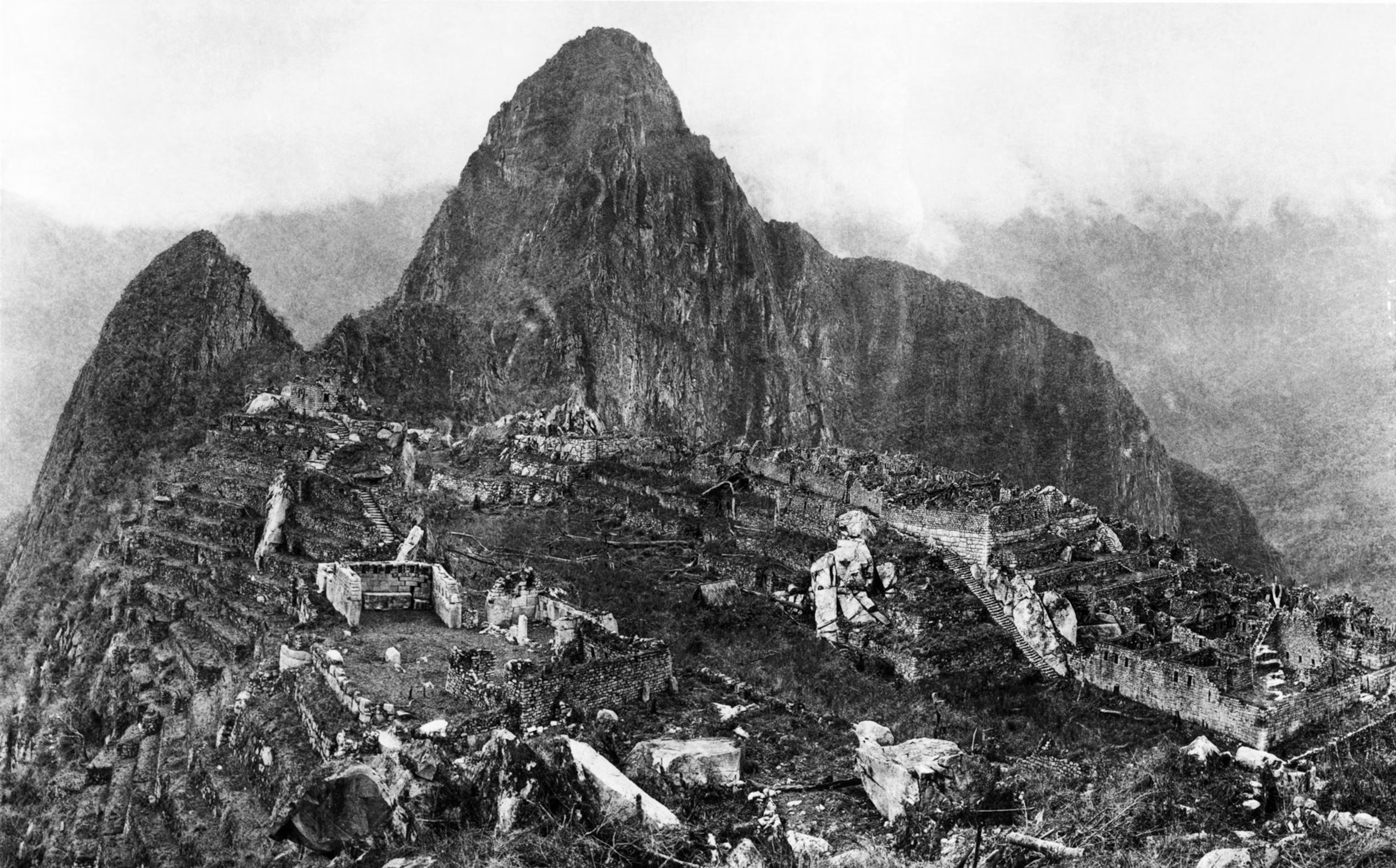
Machu Picchu "Old Mountain",is a pre-Columbian Inca site located 2,430 metres (7,970 ft) above sea level. It is situated on a mountain ridge above the Urubamba Valley in Peru, which is 80 kilometres (50 mi) northwest of Cuzco and through which the Urubamba River flows. Most archaeologists believe that Machu Picchu was built as an estate for the Inca emperor Pachacuti (1438–1472). Often referred to as "The Lost City of the Incas", it is perhaps the most familiar icon of the Inca World. The Incas started building the estate around AD 1400 but it was abandoned as an official site for the Inca rulers a century later at the time of the Spanish conquest of the Inca Empire. Machu Picchu was declared a Peruvian Historical Sanctuary in 1981 and a UNESCO World Heritage Site in 1983. Since it was not plundered by the Spanish when they conquered the Incas, it is especially important as a cultural site and is considered a sacred place. Read more

View of the city of Machu Picchu in 1911

Information and Image Obtained From Wikipedia, the free encyclopedia

The Cathedral of St. James in Šibenik

Card # 80
This postcard sent to me by Dragon

The Cathedral of St. James (Croatian: Katedrala sv. Jakova) in Šibenik, Croatia is a triple-nave basilica with three apses and a dome (32 m high inside) in the city of Šibenik, Croatia. It is the church of the Catholic Church in Croatia, and the see of the Šibenik diocese. It is also the most important architectural monument of the Renaissance in the entire country. Since 2000, the Cathedral has been on the UNESCO World Heritage List.

It is often mistakenly known as "St Jacob's", because Croatian, like many other languages, uses the same name for both "James" and "Jacob". It is dedicated to Saint James the Greater. Read more

Information and Image Obtained From Wikipedia, the free encyclopedia

Plitvice Lakes National Park

Card # 79
This postcard sent to me by Dragon

Plitvice Lakes National Park lies in the Plitvice plateau which is surrounded by three mountains part of the Dinaric Alps: Plješevica mountain (Gornja Plješevica peak 1,640 m), Mala Kapela mountain (Seliški Vrh peak at 1,280 m), and Medveđak (884 m). The lakes are separated by natural dams of travertine, which is deposited by the action of moss, algae, and bacteria. The Plitvice Lakes had become a major tourist attraction in the late 19th century. The first hotel was built there in 1896, and as early as 1893 it already had a conservation committee - the predecessor of today's national park authority. In 1949 the communist government of Yugoslavia nationalized the lakes and made them a national park. The park was inscribed on the UNESCO World Heritage List in 1979 in recognition of its "outstanding natural beauty, and the undisturbed production of travertine (tuff) through chemical and biological action". Read more
Information Obtained From Wikipedia, the free encyclopedia

Churches of Moldavia

Card # 78
This postcard sent to me by Mircea Ostoia

These seven churches in northern Moldavia are unique in Europe. There frescoes represent complete cycles of religious murals on all facades and they are considered masterpieces of Byzantine Art. Since 1993 they have been listed by UNESCO as a World Heritage Site. Read more

Thursday, April 22, 2010

Old Town of Lijiang

Card # 77
The town has a history going back more than 800 years and was once a confluence for trade along the old tea horse road. The Lijiang old town is famous for its orderly system of waterways and bridges. The old town of Lijiang differs from other ancient Chinese cities in architecture, history and the culture of its traditional residents the Nakhi people, therefore people there are called 胖金哥 and 胖金妹 (male and female respectively).

Lijiang old town (including Dayan, Baisha and Shuhe) was registered on the UNESCO World Heritage List in December 4, 1997. Since then, the local government has taken more responsibility for the development and protection of the old city. Lijiang's tourism also boomed, and travellers from around the world flooded in; although many locals fear that due to much of the development, the old town of Lijiang will lose its appeal. Read more
Information Obtained From Wikipedia, the free encyclopedia

Wednesday, April 21, 2010

Historic Centre of Naples

Card # 76
Another UNESCO postcard from postcrossing

Naples is a city in Italy; it is the capital of the region of Campania and of the province of Naples. The city is known for its rich history, art, culture, architecture, music and gastronomy, playing an important role in the country's history and beyond throughout much of its existence, which began more than 2,800 years ago. Naples is located halfway between two volcanic areas, the volcano Mount Vesuvius and the Phlegraean Fields, sitting on the coast by the Gulf of Naples.

A collage of Naples: in the top left is the interior of Naples Cathedral, followed by the Castello Nuovo, a view of the city harbour and the Teatro San Carlo.


Founded in the 8th century BC, as a Greek colony, under the name of Parthenope, and later Neápolis (New City), Naples is one of the oldest cities in the world, and it held an important role in Magna Graecia; while when the city became part of the Roman Republic in the central province of the Empire, was a major cultural center (Virgil is one of the symbol of the political and cultural freedom of Naples). The city has seen a multitude of civilizations come and go, each leaving their mark: now the historic city centre is listed by UNESCO as a World Heritage Site. The historic city centre of Naples is the largest in Europe (1.700 hectares). Read more

Information and Image Obtained From Wikipedia, the free encyclopedia


LinkWithin

Related Posts with Thumbnails