Total Pageviews

Showing posts with label France- UNESCO 34. Show all posts

Friday, February 15, 2013

Historic Centre of Avignon: Papal Palace, Episcopal Ensemble and Avignon Bridge

Card No. 159

Thanks to my FB Friend Ulla

Avignon (French pronunciation: Occitan: Avinhon in classical norm or Avignoun in Mistralian norm) is a French commune in southeastern France in the départment of the Vaucluse bordered by the left bank of the Rhône river. Of the 94,787 inhabitants of the city (as of 1 January 2010), about 12,000 live in the ancient town centre surrounded by its medieval ramparts.

Often referred to as the "City of Popes" because of the presence of popes and antipopes from 1309 to 1423 during the Catholic schism, it is currently the largest city and capital of the département of Vaucluse. This is one of the few French cities to have preserved its ramparts, its historic centre, the palace of the popes, Rocher des Doms, and the bridge of Avignon. It was classified a World Heritage Site by UNESCO under the criteria I, II and IV. The site of Avignon was settled very early on; the rocky outcrop (le Rocher les Doms) at the north end of the town, overlooking the Rhône River, may have been the site of a Celtic oppidum or hill fort.

Avignon, written as Avennio or Avenio in the ancient texts and inscriptions, takes its name from the Avennius clan. Founded by the Gallic tribe of the Cavares or Cavari, it became the centre of an important Phocaean colony from Massilia (present Marseilles).

Under the Romans, Avenio was a flourishing city of Gallia Narbonensis, the first Transalpine province of the Roman Empire, but very little from this period remains (a few fragments of the forum near Rue Molière).

During the inroads of the Goths, it was badly damaged in the fifth century and belonged in turn to the Goths, the kingdoms of Burgundy and of Arles, in the 12th century. It fell into the hands of the Saracens and was destroyed in 737 by the Franks under Charles Martel for having sided with the Arabs against him. Boso having been proclaimed Burgundian King of Provence, or of Arelat (after its capital Arles), by the Synod of Mantaille, at the death of Louis the Stammerer (879), Avignon ceased to belong to the Frankish kings. Read more

Information and Image Obtained From Wikipedia, the free encyclopedia

Monday, November 14, 2011

Historic Fortified City of Carcassonne

Card No 124Many thanks to my FB friend Gabriel Alejandro Etinzon

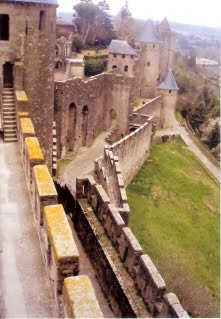
Carcassonne is a fortified French town in the Aude department, of which it is the prefecture, in the former province of Languedoc.
It is divided into the fortified Cité de Carcassonne and the more expansive lower city, the ville basse. Carcassone was founded by the Visigoths in the fifth century, though the Romans had fortified the settlement earlier. First signs of settlement in this region have been dated to about 3500 BC, but the hill site of Carsac – a Celtic place-name that has been retained at other sites in the south – became an important trading place in the 6th century BC. Read more

Wednesday, November 10, 2010

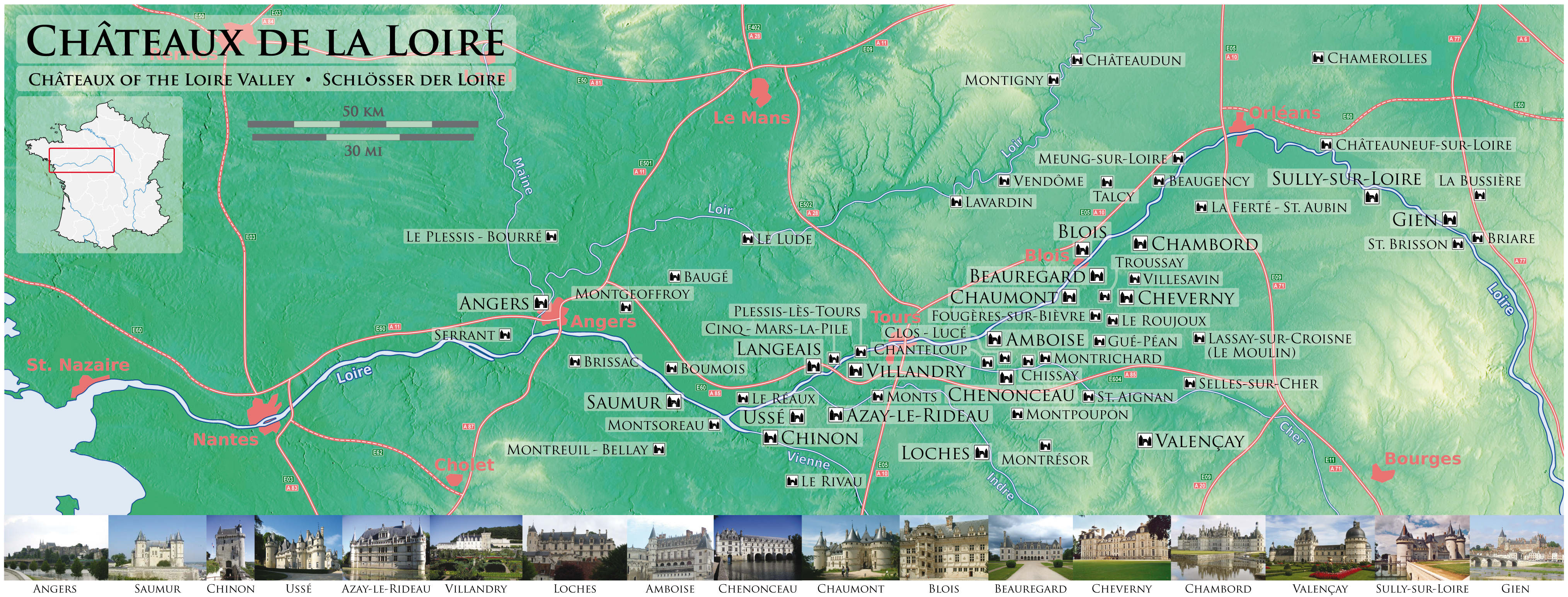
The Loire Valley between Sully-sur-Loire and Chalonnes

Card no. 97
This postcard sent to me by Gabriel Alejandro Etinzon


On December 2, 2000, UNESCO added the central part of the Loire River valley, between Maine and Sully-sur-Loire, to its list of World Heritage Sites. In choosing this area that includes the French départements of Loiret, Loir-et-Cher, Indre-et-Loire, and Maine-et-Loire, the committee said that the Loire Valley is: "an exceptional cultural landscape, of great beauty, comprised of historic cities and villages, great architectural monuments - the Châteaux - and lands that have been cultivated and shaped by centuries of interaction between local populations and their physical environment, in particular the Loire itself. Read more

Thursday, February 4, 2010

Cathedral of Notre-Dame, Former Abbey of Saint-Remi and Palace of Tau, Reims

Card #51
This postcard sent to me by Christian

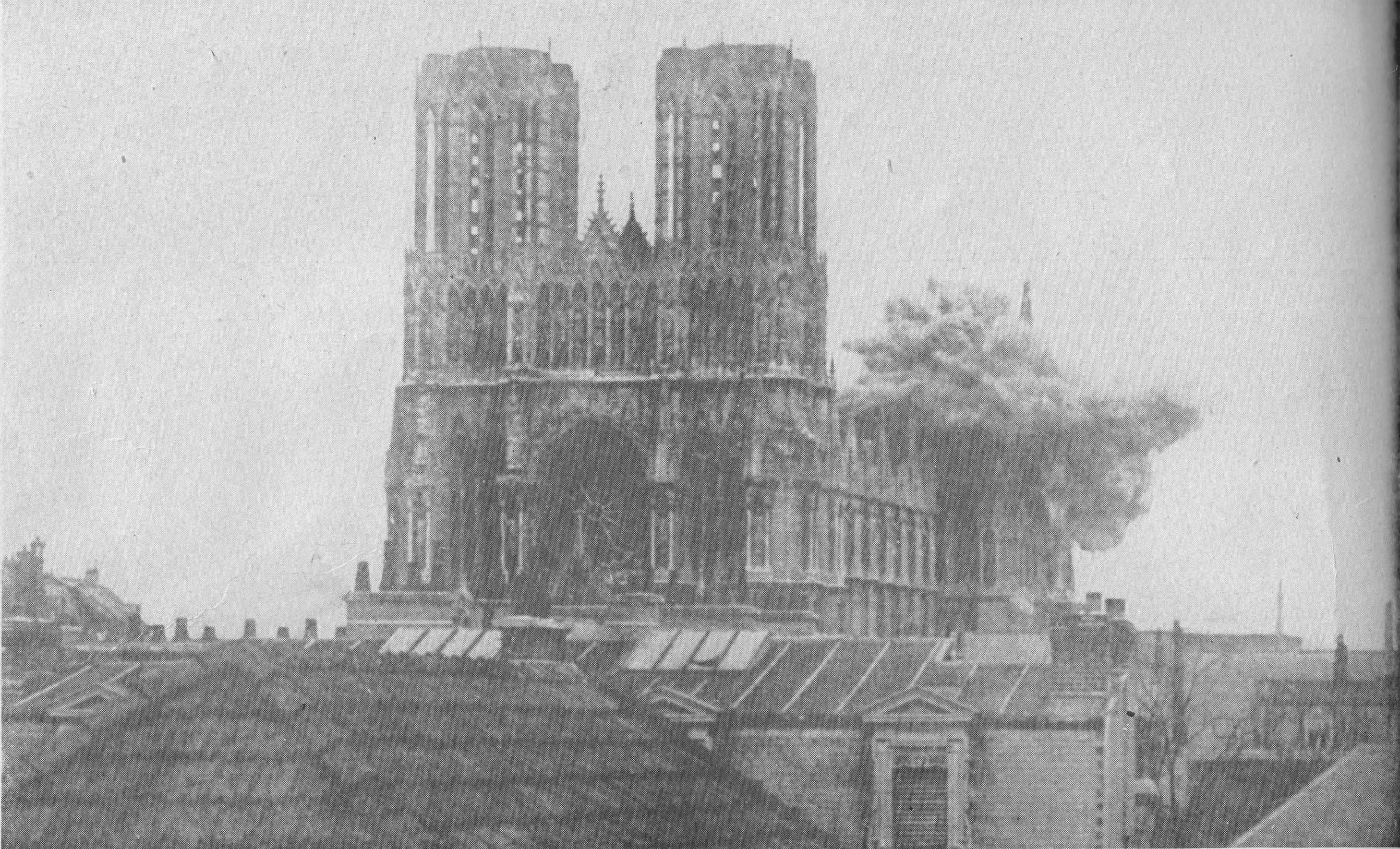
Notre-Dame de Reims (Our Lady of Rheims) is the Roman Catholic cathedral of Reims, where the kings of France were once crowned. It replaces an older church, destroyed by a fire in 1211, which was built on the site of the basilica where Clovis was baptized by Saint Remi, bishop of Reims, in AD 496. That original structure had been erected on the site of the Roman baths. As the cathedral it remains the seat of the Archdiocese of Reims. Notre-Dame de Reims cathedral, the former Abbey of Saint-Remi, and the Palace of Tau were added to the list of UNESCO World Heritage Sites in 1991.

A major site for tourism in the Champagne region, it accommodated half a million visitors in 2006. Read more

A shell bursts on the cathedral during the First World War

Links: Cathedral of Notre-Dame, Reims

Information and Image Obtained From Wikipedia, the free encyclopedia

Wednesday, February 3, 2010

Fortifications of Vauban

Card # 48
This postcard sent to me by Christian

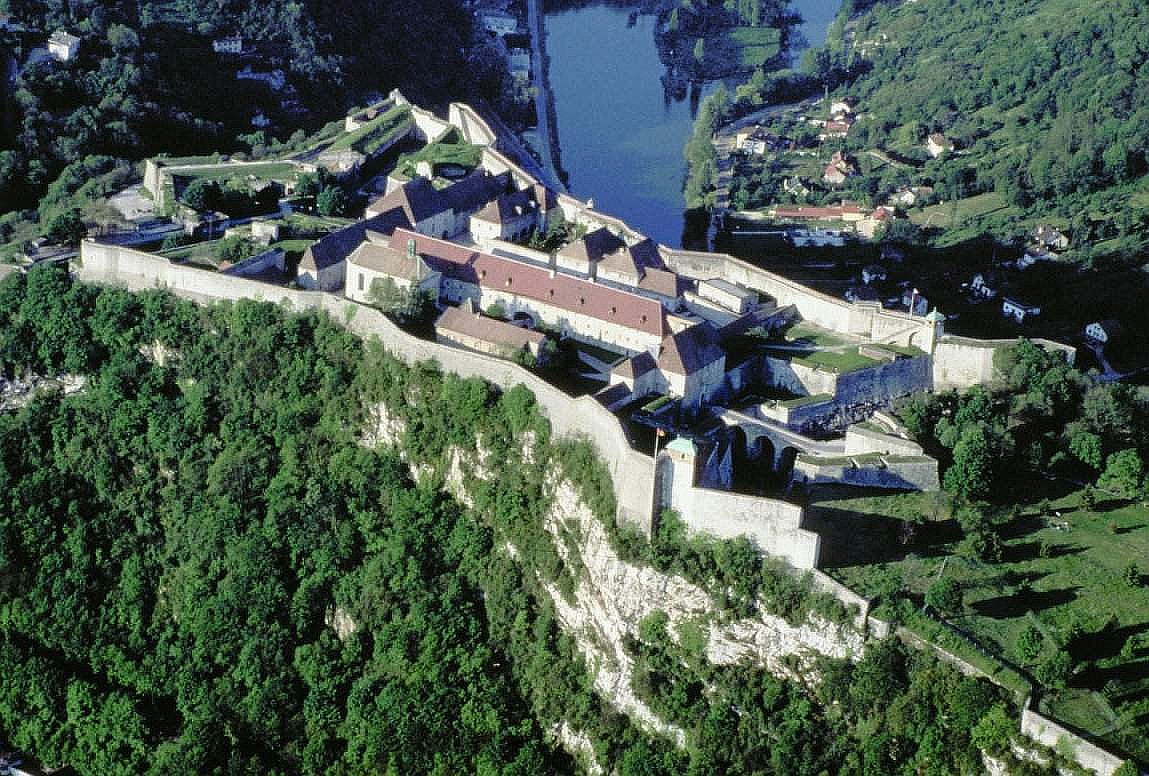
Fortifications of Vauban consists of 12 groups of fortified buildings and sites along the western, northern and eastern borders of France. They were designed by Vauban (1633–1707), and were added in 2008 to the list of UNESCO World Heritage Sites.

Citadel of Besançon (Doubs), 1668-1711

Information and Image Obtained From Wikipedia, the free encyclopedia
LinkWithin

Related Posts with Thumbnails